


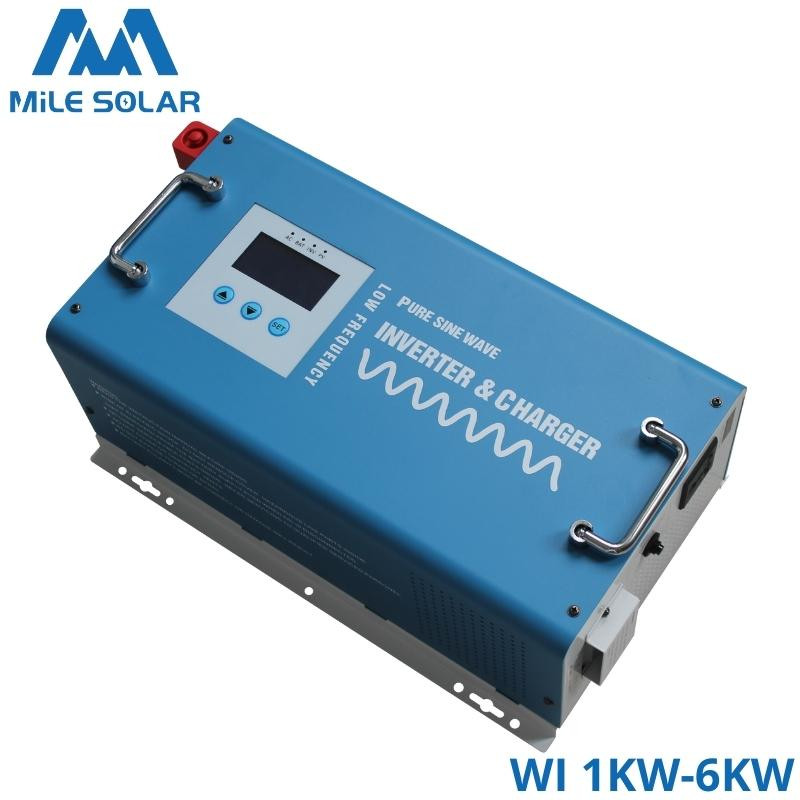
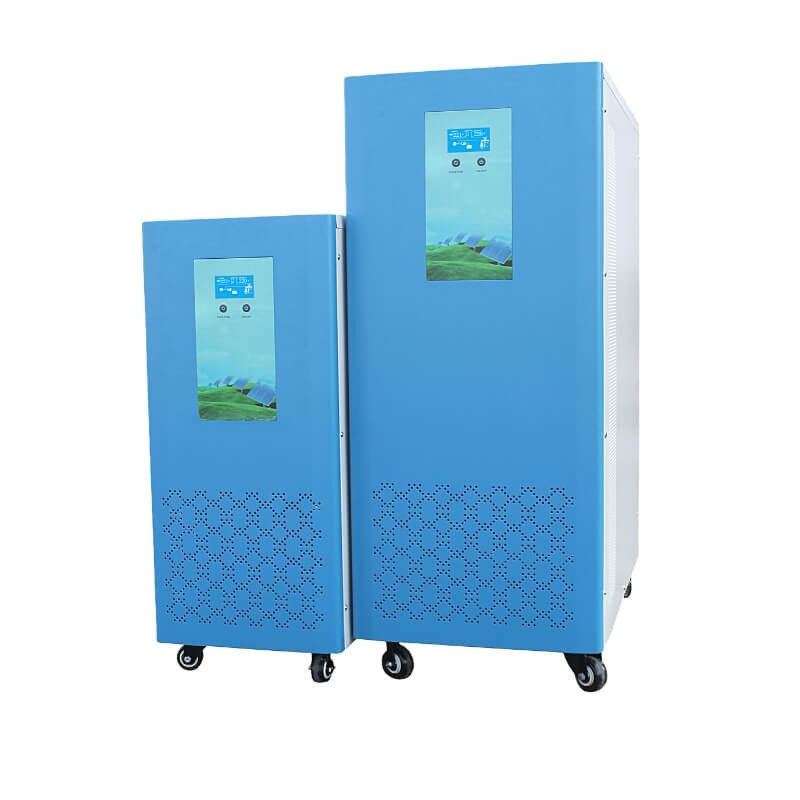


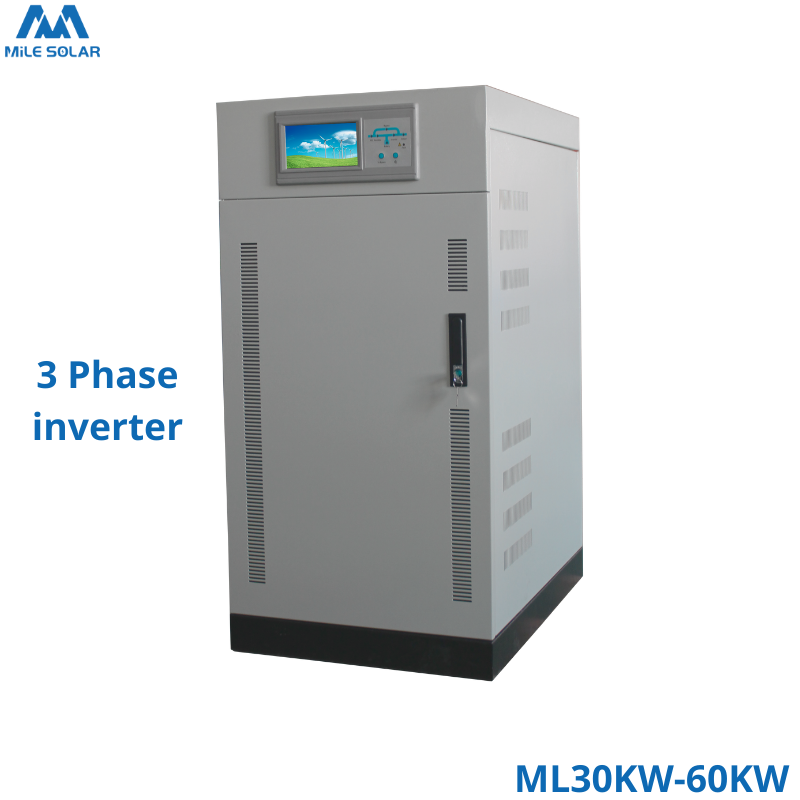




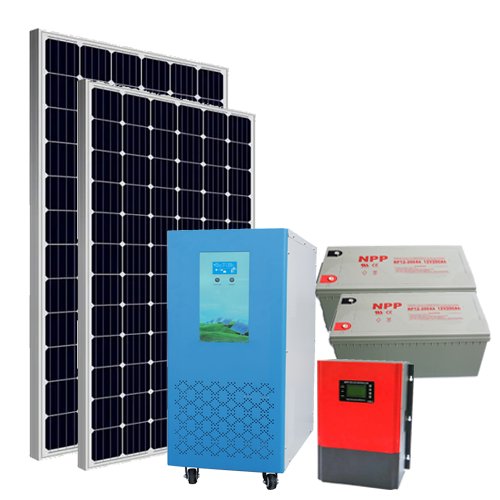







Home Solar & Backup
Stable solar and backup power for essential household loads.
HYBRID SOLAR INVERTERS
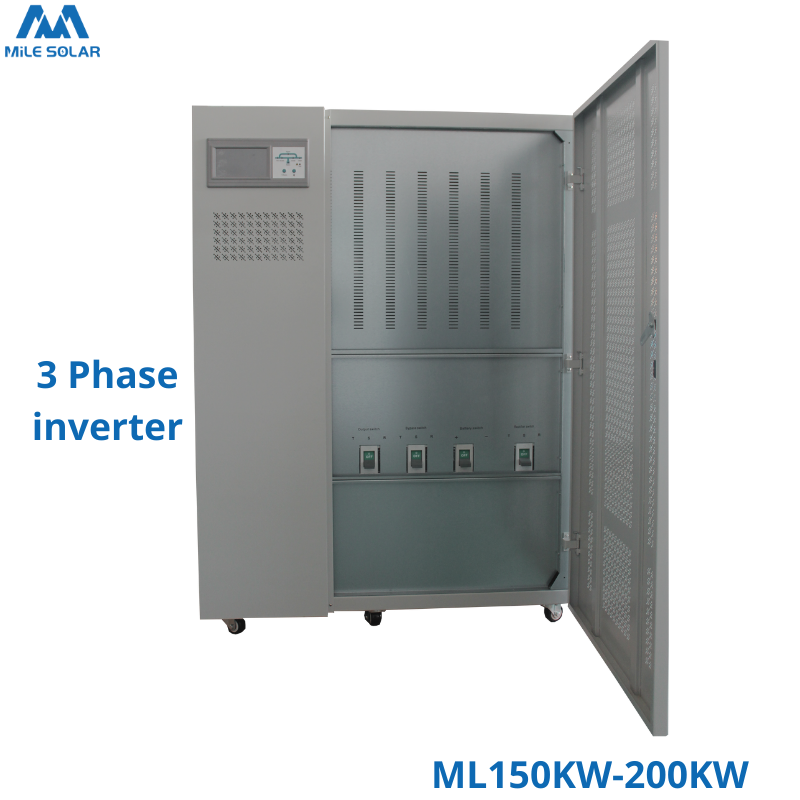
MILE SOLAR's state-of-the-art three-phase power inverter is specifically designed to meet the demands of off-grid applications, providing seamless integration and enhanced performance for your solar/wind energy storage needs.
Technical specifications for off-grid three-phase inverter 100KW 120kw 150kw 200kw
| Model | ML100K | ML120K | M150K | ML200K | |
| Power | 100KW | 120KW | 150KW | 200KW | |
| Input | DC voltage | 360VDC/384VDC | |||
| Phase | 3 phase 4 wire and ground | ||||
| Voltage Range | 380V±20%(3 phase), Single phase 220V | ||||
| Frequency Range | 45-65Hz | ||||
| Rectifier | 3 phase 6 pulses, 12 pulses is optional | ||||
| Output | Phase | 3 phase 4 wire + ground | |||
| Waveform | Pure sine wave | ||||
| Crest Factor | 3:01 | ||||
| Rated Voltage | 380/400/415V optional ±1% for static load, 5% for fluctuant load | ||||
| Phase Voltage setting | 200-244VAC, pls confirm before order | ||||
| Transient Response | ±5%,10ms | ||||
| Frequency | 50/60 Hz ±0.05% | ||||
| Total-harmonic distortion | < 3% linear load, <5%(nonlinear load) | ||||
| short circuit current | Short current for 0.1s(200% current) | ||||
| Overload Capacity | Overload 125% for 10 Mins, 125%-150% for 1min, automatically resume when the load becomes normal | ||||
| Bypass | Type | Static state +manual maintenance bypass | |||
| Input Phase | 3 phase 4wire and ground | ||||
| Input Voltage Range | 15% - 25% (the front control panel selectable) | ||||
| Transfer Time | Inverter / bypass transfer switch time(Overload): 0ms inverter / bypass transfer switch time (fault inverter) 1ms | ||||
| Efficiency | Whole unit | >85% | |||
| Inverter | 93% | ||||
| Remote Signaling | Dry contact (battery low, battery discharging, bypass / fault); output 12vdc/80mA, Optional parts | ||||
| Environment Temperature | 0-40 degree Celsius | ||||
| Relative Humidity | Less than 95% (without condensing) | ||||
| Noise | <60dB | ||||
| Degree of protection | IP20 | ||||
| Dimension(mm) | 1100*897*1478 | 820*1170*1670 | |||
| Package Size(mm) | 1200*998*1635 | 920*1270*1840 | |||
| Net Weight(kg) | 720 | 750 | 850 | 910 | |
| Gross Weight(kg) | 780 | 810 | 910 | 970 | |


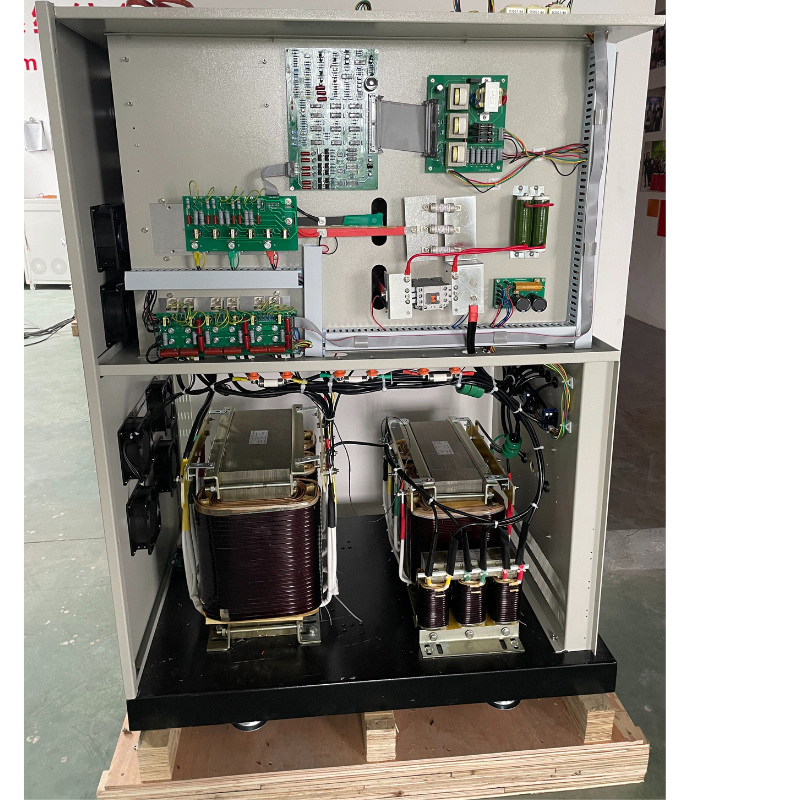
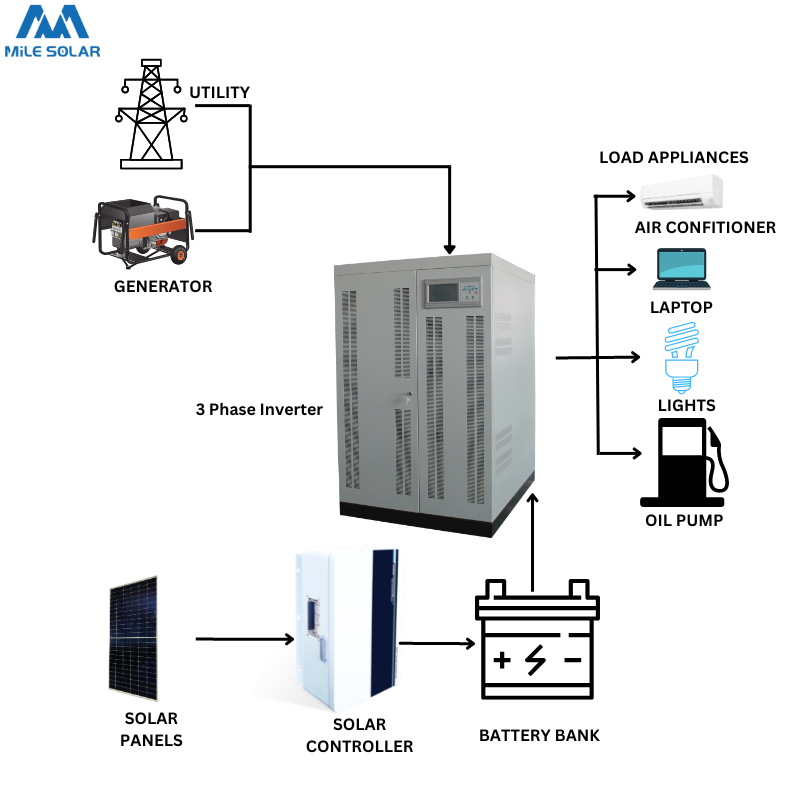
The heart of the off-grid three-phase solar system is the three-phase inverter. The inverter converts the DC power from the battery bank into AC (alternating current) power, which is compatible with three-phase electrical systems. It ensures a stable and reliable power supply to run three-phase loads, such as motors, machinery, HVAC systems, or large appliances.

Example of 150KVA 120KW 3 phase inverter used in off-grid 150KVA solar storage system for telecom stations
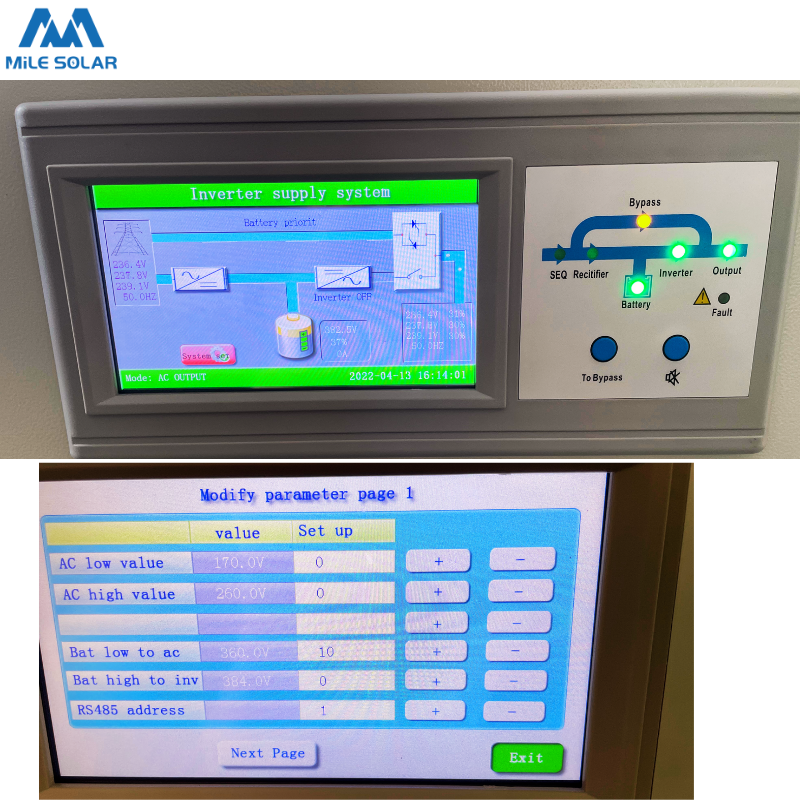
What's the advantage of the LCD touchscreen interface of three-phase inverters 100KW 120KW 150KW 200KW?
An LCD touchscreen interface that allows selecting between battery priority or utility grid priority operating modes on an inverter charger system is useful for these reasons:
Battery Priority (Off-Grid Mode):
• The inverter charger will draw from the battery bank to power AC loads as the first priority. This is suitable when no utility grid is present such as for off-grid solar power systems.
• Battery power will continue being consumed until the batteries reach a minimum allowable state of charge based on settings. Then non-critical loads may be shut off to preserve battery capacity for critical equipment.
• Battery priority mode at night or during solar power shortage events will draw only from the batteries to operate the inverter output. A backup generator may start automatically if present in the system.
Utility Grid Priority (Backup Mode):
• The inverter charger will draw AC power from the utility grid connection as the first choice to power loads. Battery power will not discharge until the grid connection is lost.
• The inverter charger will charge the battery bank from any available solar or other input power when the utility grid is active. This ensures the batteries remain at optimal capacity for providing backup power when needed.
• When the grid connection is lost, the inverter charger transfers loads to the battery power instantly with minimal disruption. Battery power continues operating critical and non-critical loads until the grid is restored or a minimum battery capacity is reached based on settings.
• A backup generator may start automatically on loss of grid to continue powering loads or charge the batteries depending on the system design.
The ability to switch between these two priority modes allows an inverter charger system to operate either as an off-grid or backup power solution using the installed battery bank, solar/generator inputs, and utility grid connection. An LCD touchscreen interface to select the proper operational mode based on the availability of inputs provides an intuitive user experience without needing manual switch flipping between different modes. System behavior, battery/input interaction and load support function as intended for the chosen mode with minimal hassle.


Testing and Quality Control: Rigorous testing and quality control measures are essential to ensure the inverter meets industry standards and performance expectations. Various tests are conducted, including electrical performance tests, load tests, efficiency tests, safety tests, and electromagnetic compatibility (EMC) tests. Any issues identified during testing are addressed and rectified to ensure the highest quality product.

Packaging and Shipment: The final stage involves packaging the inverters, including proper labeling and documentation. The packaged inverters are then prepared for shipment to customers or distribution centers, ensuring secure transportation and protection during transit.


Our three-phase 100KW inverter used with LiFePo4 battery in the off-grid solar power system: provides a sustainable and cost-effective solution for powering large-scale applications off-grid.

What factors should you consider when searching for a three-phase off-grid inverter?
When searching for a three-phase off-grid inverter, several factors should be considered to ensure you choose the most suitable option for your specific needs. Here are some key considerations:
Power Capacity: Determine the power capacity required for your off-grid system. Consider the total load demand and choose an inverter that can handle the power requirements of your three-phase loads. Ensure that the inverter's power rating matches or exceeds your maximum expected load. MILE SOLAR provides 10KW - 200KW three phase inverters for your needs.
Efficiency: Look for an inverter with high efficiency to maximize the utilization of your energy storage. Higher efficiency means less energy loss during the conversion process, resulting in better overall system performance and reduced operating costs.
Voltage and Frequency Range: Ensure that the inverter can operate within the voltage and frequency range of your off-grid system. Verify that the inverter can support the specific voltage and frequency requirements of your three-phase electrical system. Besides of 380VAC three-phase inverter, we also customize 220VAC three-phase or 415VAC three-phase inverters.
Battery Compatibility: Check the inverter's compatibility with the battery technology you plan to use, such as LiFePO4 or other suitable chemistries. Ensure that the inverter is designed to work effectively with the specific battery type, offering features like voltage range compatibility, charging algorithms, and communication protocols. Our inverter can use with 12V lead acid, 2V OPZV, or high voltage LiFePo4 battery.
Protection Features: Consider the protection features provided by the inverter. Look for features like overload protection, overvoltage and Undervoltage protection, short-circuit protection. These features safeguard the inverter and connected equipment from potential damage due to abnormal conditions.
Monitoring and Control: Choose an inverter that offers comprehensive monitoring and control capabilities. Features such as real-time data monitoring, system status indicators, and remote monitoring options can provide valuable insights into the performance of your off-grid system.
Quality and Reliability: Select an inverter from a trustworthy manufacturer for producing high-quality and reliable products. Look for certifications and standards compliance to ensure the inverter meets industry requirements for safety, performance, and reliability.
Support and Warranty: Evaluate the support and warranty offered by the manufacturer. Check for warranty coverage, technical support availability, and service response times. It's important to have reliable support in case of any issues or questions regarding the inverter's operation.
What's the power capacity and DC input voltage of your three-phase off-grid inverter?
MILE SOLAR manufactures 3-phase inverters including: 10KW 15KW 20KW 30KW 35KW 40KW 50KW 60KW 80KW 100KW 120KW 150KW 200KW
With DC input voltage: 96VDC, 192VDC, 240VDC, 360VDC 384VDC options for 10KW 15KW 20KW 30KW 35KW 40KW three phase inverters.
360VDC, 384VDC options for 3-phase inverters from 50KW to 200KW.
AC output voltage: 3 phase 380V, 400V, 415VAC, 220V options
Please consult our sales team for more details regarding your projects.
FAQ
Q1: Can I have a sample/trial order for a test?
A: Yes, we accept sample orders/trial orders for you to test by one product or mixed solar product.
Q2: Can you do OEM/ODM?
A: Yes, we accept OEM/ODM orders for inverters, solar inverters, MPPT solar controllers, 3-phase inverters, solar generators, solar panels, and solar lights.
Please send your detailed request to our sales specialist for the best quote.
Q3: When will you deliver the goods?
A: 3-5 working days for sample order; 7-30 working days for quantity order after receiving the deposit payment.
Q4: Do you offer a guarantee for your solar products?
A: Yes, 18 months for inverter and inverter-related products including solar generators, and solar inverters, 2 years for three-phase inverter and MPPT controller, 10 years for solar panels, and 2 years for solar lights.
| Model | ML100K | ML120K | M150K | ML200K | |
| Power | 100KW | 120KW | 150KW | 200KW | |
| Input | DC voltage | 360VDC/384VDC | |||
| Phase | 3 phase 4 wire and ground | ||||
| Voltage Range | 380V±20%(3 phase), Single phase 220V | ||||
| Frequency Range | 45-65Hz | ||||
| Rectifier | 3 phase 6 pulses, 12 pulses is optional | ||||
| Output | Phase | 3 phase 4 wire + ground | |||
| Waveform | Pure sine wave | ||||
| Crest Factor | 3:01 | ||||
| Rated Voltage | 380/400/415V optional ±1% for static load, 5% for fluctuant load | ||||
| Phase Voltage setting | 200-244VAC, pls confirm before order | ||||
| Transient Response | ±5%,10ms | ||||
| Frequency | 50/60 Hz ±0.05% | ||||
| Total-harmonic distortion | < 3% linear load, <5%(nonlinear load) | ||||
| short circuit current | Short current for 0.1s(200% current) | ||||
| Overload Capacity | Overload 125% for 10 Mins, 125%-150% for 1min, automatically resume when the load becomes normal | ||||
| Bypass | Type | Static state +manual maintenance bypass | |||
| Input Phase | 3 phase 4wire and ground | ||||
| Input Voltage Range | 15% - 25% (the front control panel selectable) | ||||
| Transfer Time | Inverter / bypass transfer switch time(Overload): 0ms inverter / bypass transfer switch time (fault inverter) 1ms | ||||
| Efficiency | Whole unit | >85% | |||
| Inverter | 93% | ||||
| Remote Signaling | Dry contact (battery low, battery discharging, bypass / fault); output 12vdc/80mA, Optional parts | ||||
| Environment Temperature | 0-40 degree Celsius | ||||
| Relative Humidity | Less than 95% (without condensing) | ||||
| Noise | <60dB | ||||
| Degree of protection | IP20 | ||||
| Dimension(mm) | 1100*897*1478 | 820*1170*1670 | |||
| Package Size(mm) | 1200*998*1635 | 920*1270*1840 | |||
| Net Weight(kg) | 720 | 750 | 850 | 910 | |
| Gross Weight(kg) | 780 | 810 | 910 | 970 | |
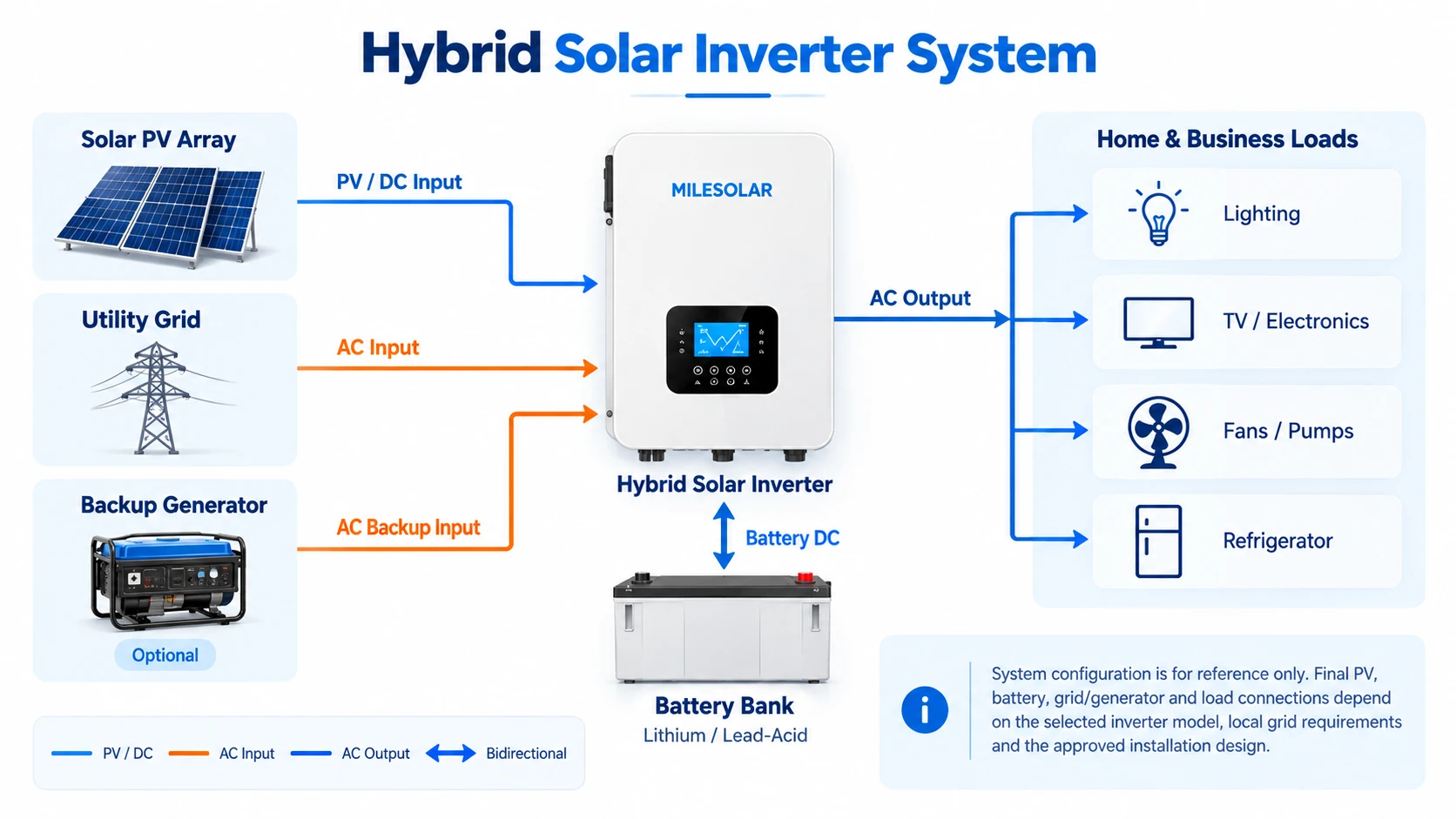
Stable solar and backup power for essential household loads.
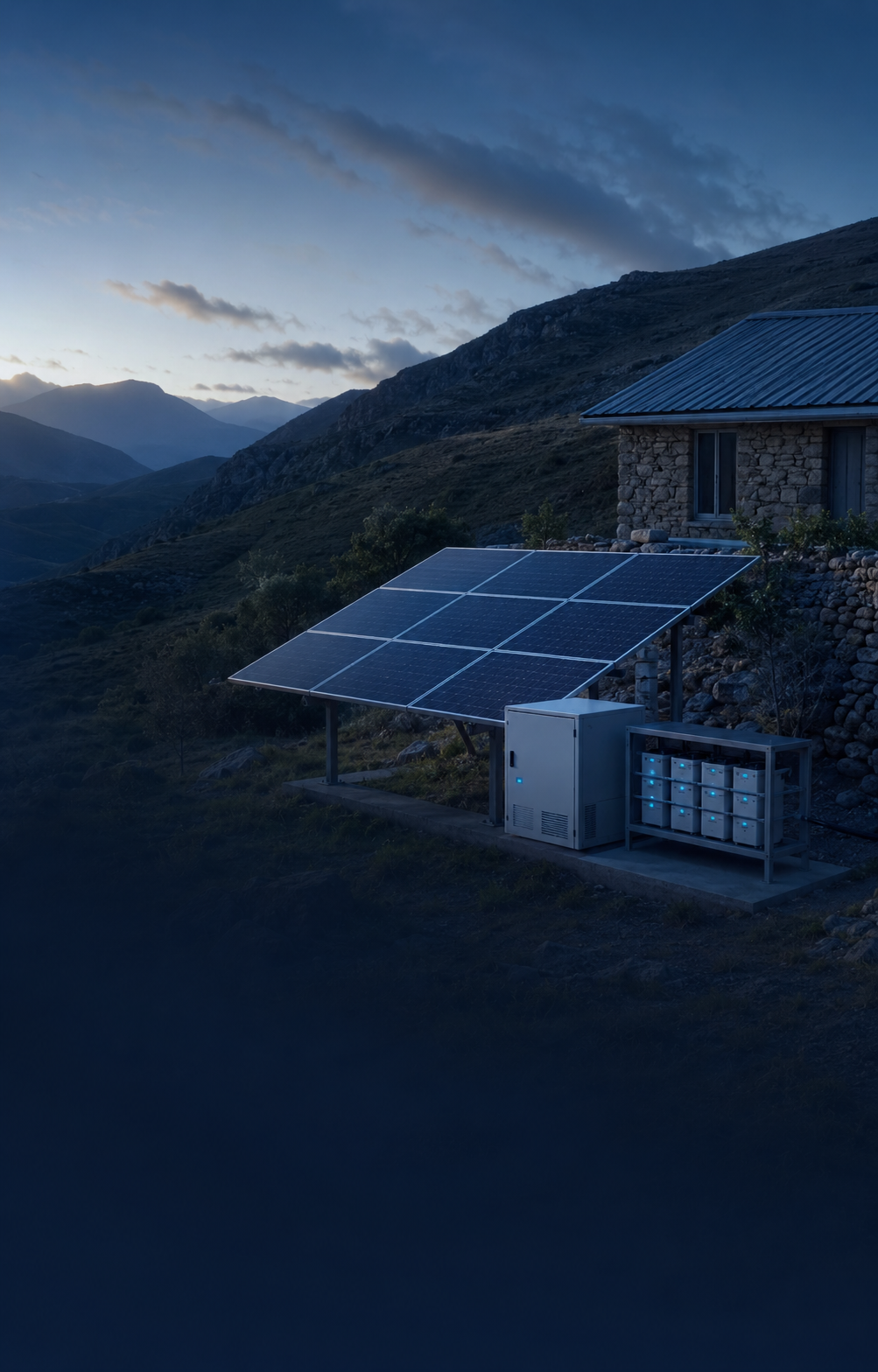
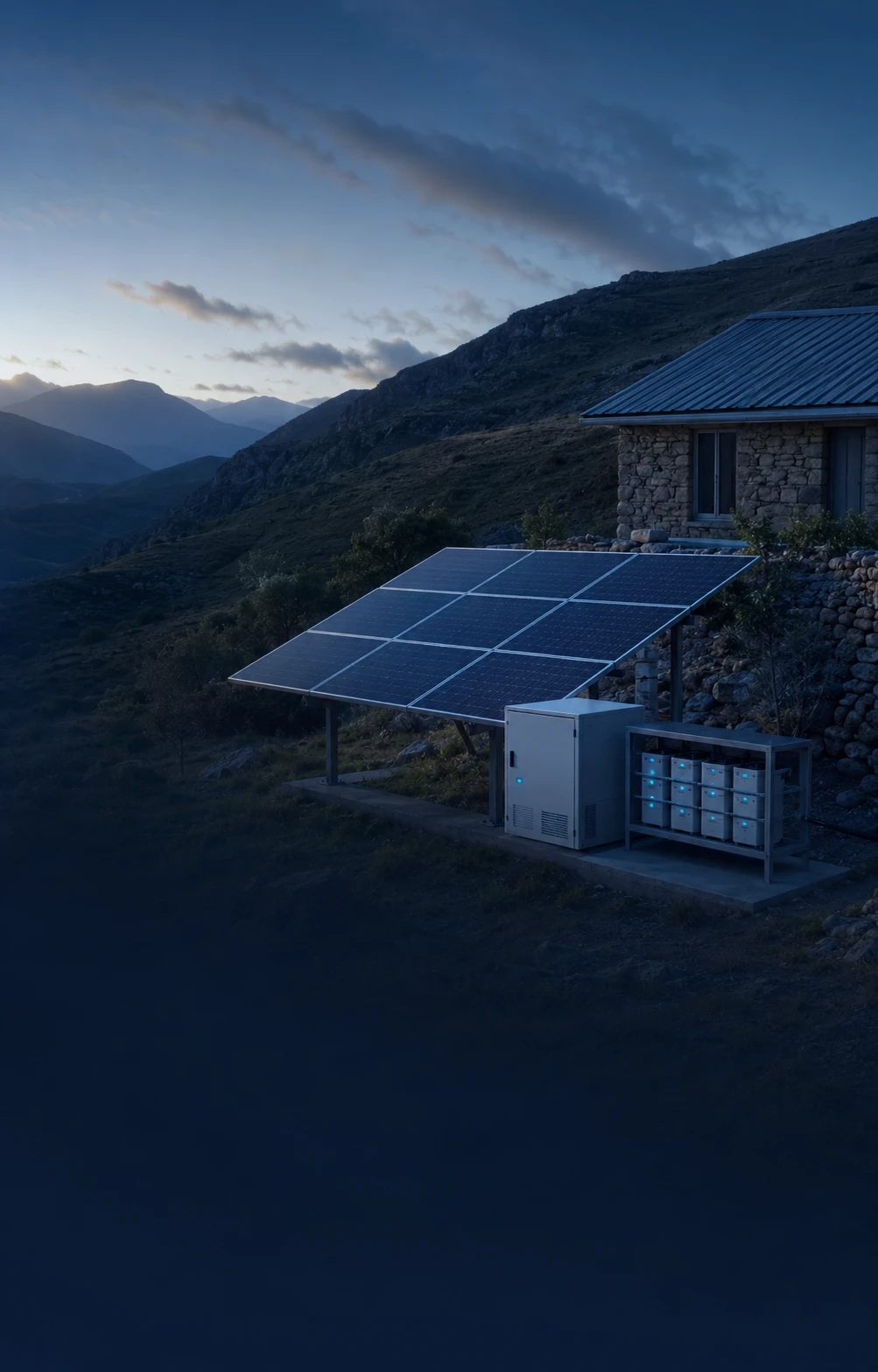
Practical power for cabins, farms and locations with limited utility access.
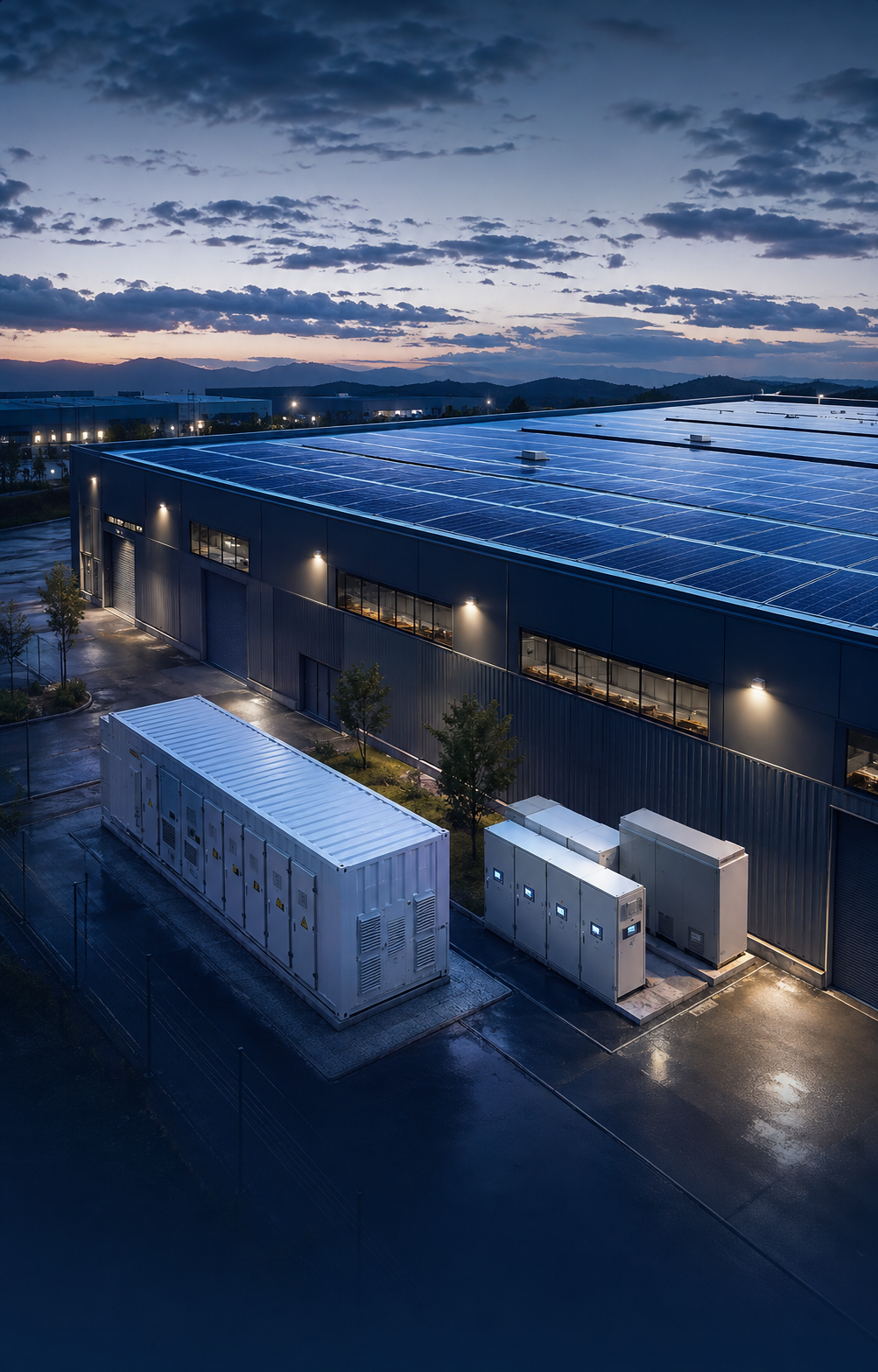
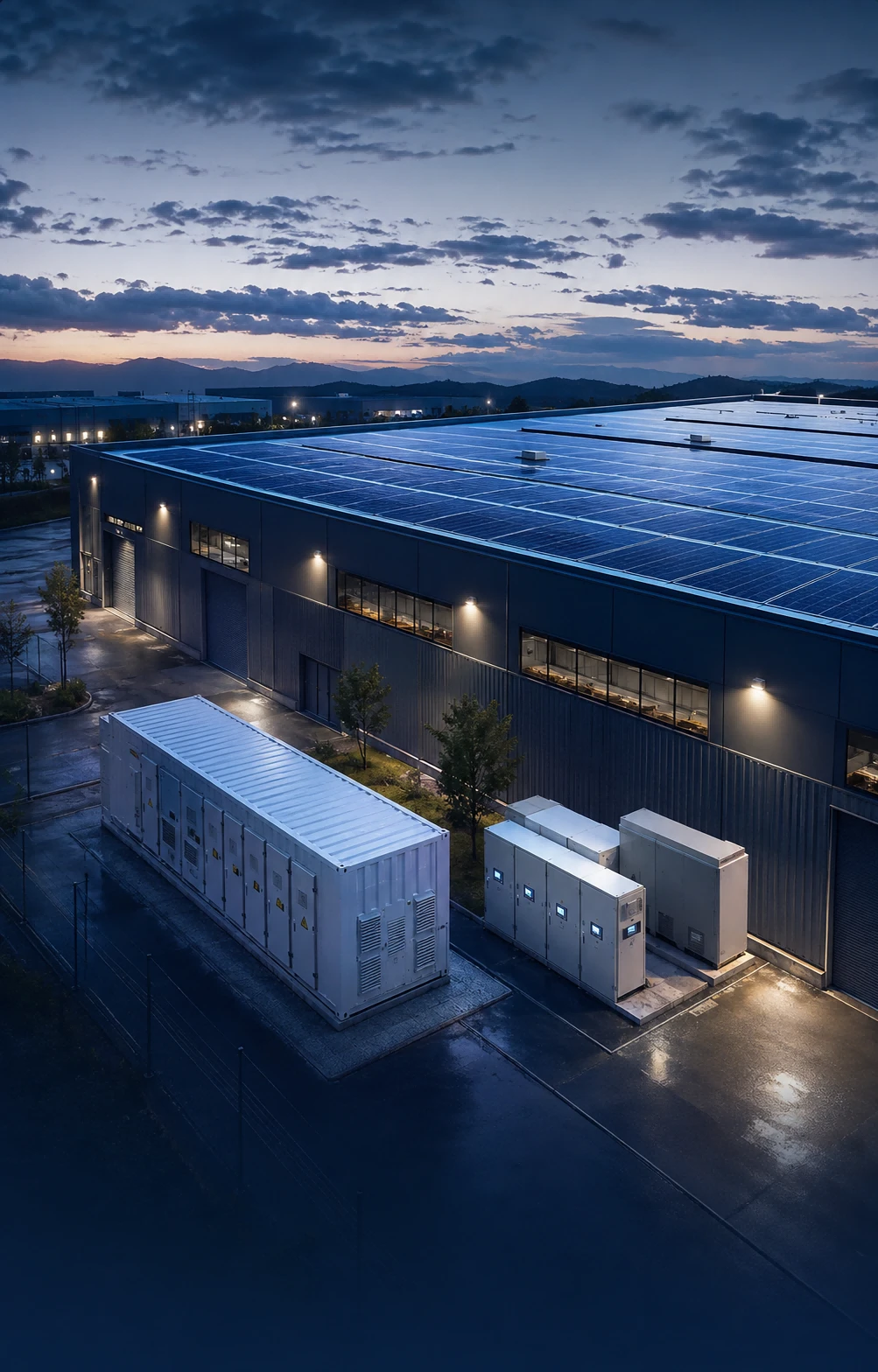
Flexible power support for shops, offices and light commercial loads.
| MOQ: Model-specific Sample and bulk-order quantity confirmed in quotation | OEM / ODM: Available Branding, configuration and packaging support |
| Lead Time: Order-specific Confirmed after model, quantity and customization review | Warranty: Model-specific Final warranty terms follow the approved quotation |
| Documents: On request Datasheet and available certification documents | Technical Support: Included Pre-sales selection and after-sales assistance |
The correct model depends on load power, battery-bank voltage, surge demand and operating time. Send us your load list and system requirement for model selection.
Yes. Branding, selected configurations and packaging customization can be discussed for qualified B2B orders.
MOQ and lead time depend on the selected model, quantity and customization. Please request a formal quotation.
Yes. Submit an inquiry with the required power, voltage and application, and our sales team will provide the matching technical document.
Yes. We can review your loads, battery voltage, PV array and backup requirements before recommending a configuration.
Get an exclusive wholesale quotation with your order details. Our team will respond within 24 hours.
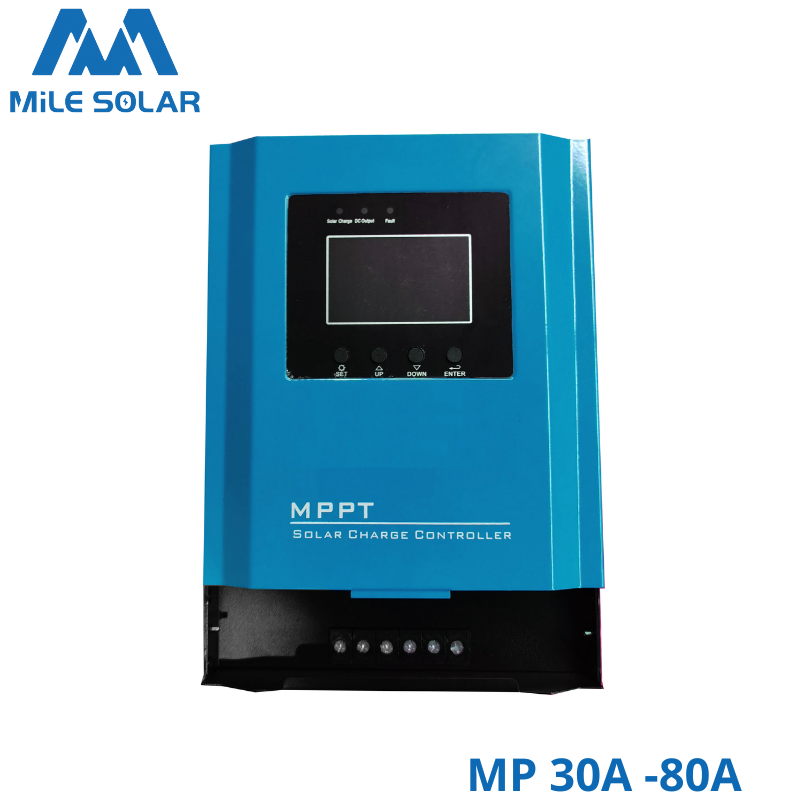
 50A–100A High-Voltage MPPT Solar Controller